
SOLAR ASSISTED HEAT PUMPS
PRICE
Smart Solar systems are ENERGY STAR certified and qualify for a 30% federal tax credit and state rebate programs, yielding a net cost comparable with common “hybrid” heat pump water heaters.
REDUCED ELECTRICITY USE
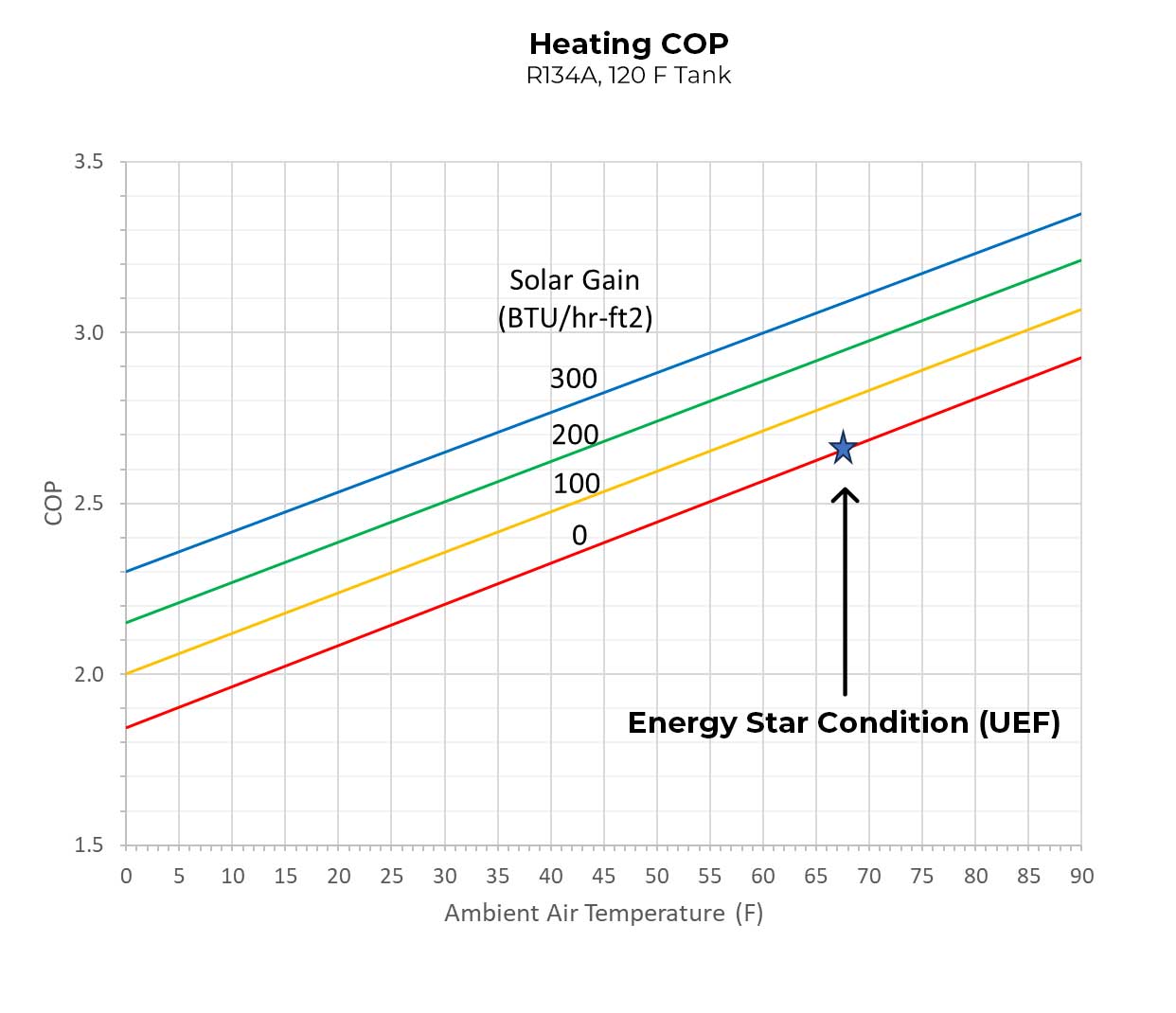
Using renewable energy to reduce electric consumption by 50% or more (as compared to common electric resistance water heaters.)
NO FANS OR DRAINS NEEDED
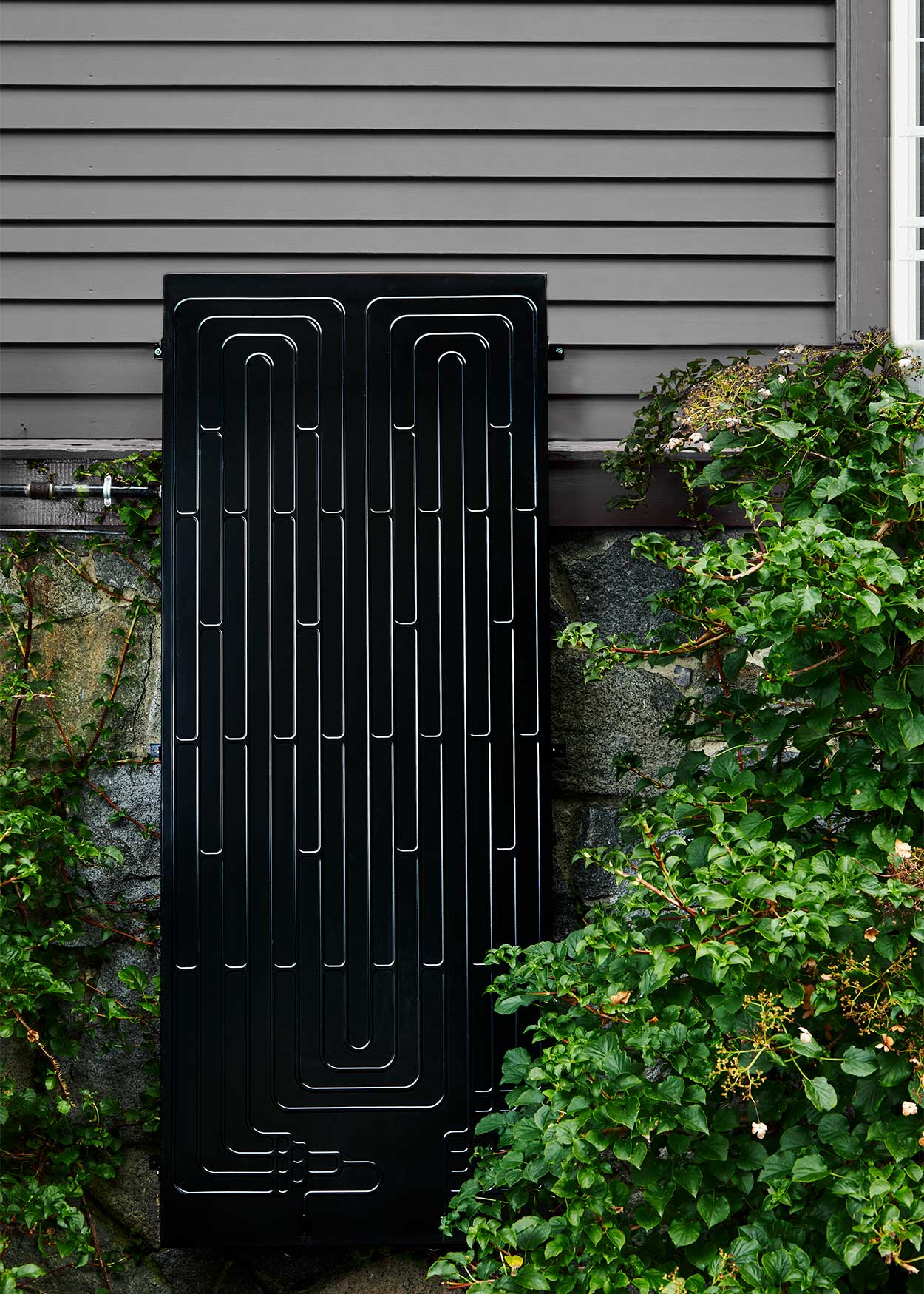
Evaporator panels are mounted outside so no fans, filters, or drains are necessary thus reducing maintenance, and noise level.
INTERIOR TEMPERATURE IS NOT AFFECTED
Unlike common heat pump water heaters, heat is harvested from the exterior, so there is no need for interior air space from which to “steal” heat.
WHAT IS A SOLAR ASSISTED HEAT PUMP WATER HEATER?
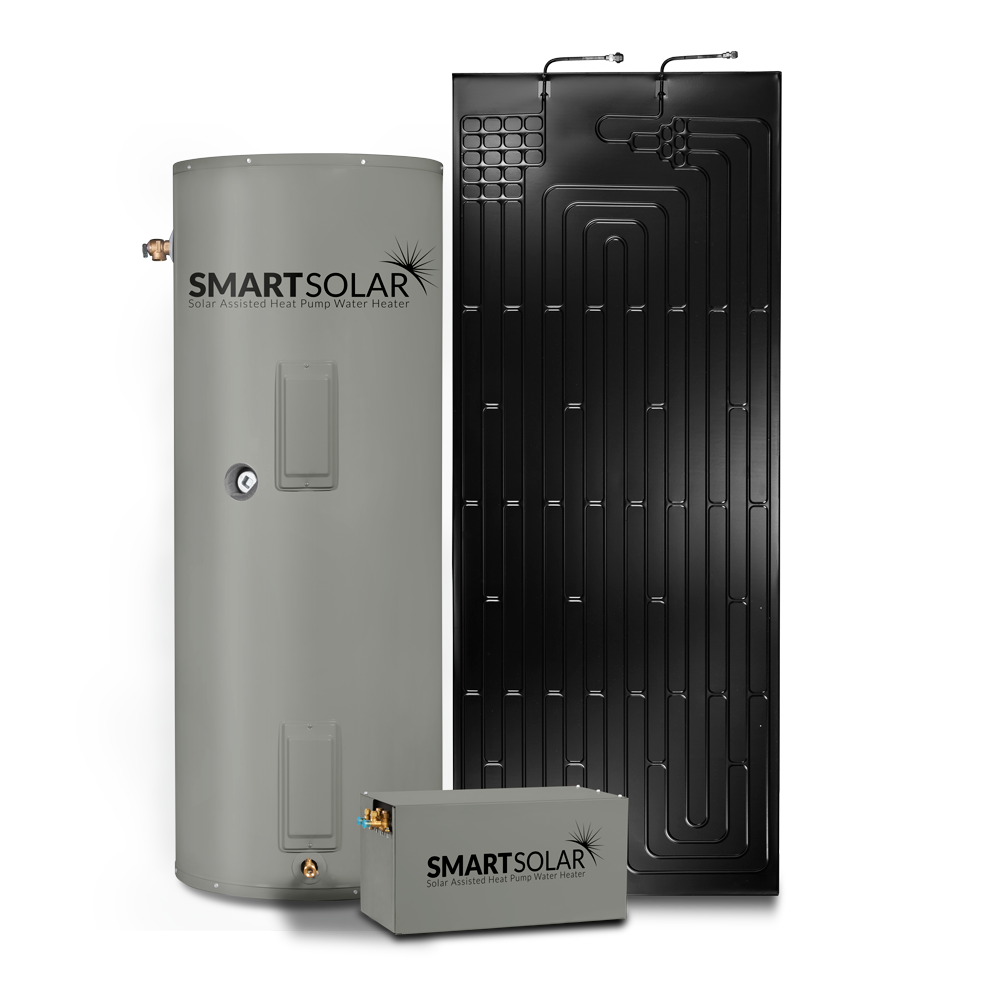
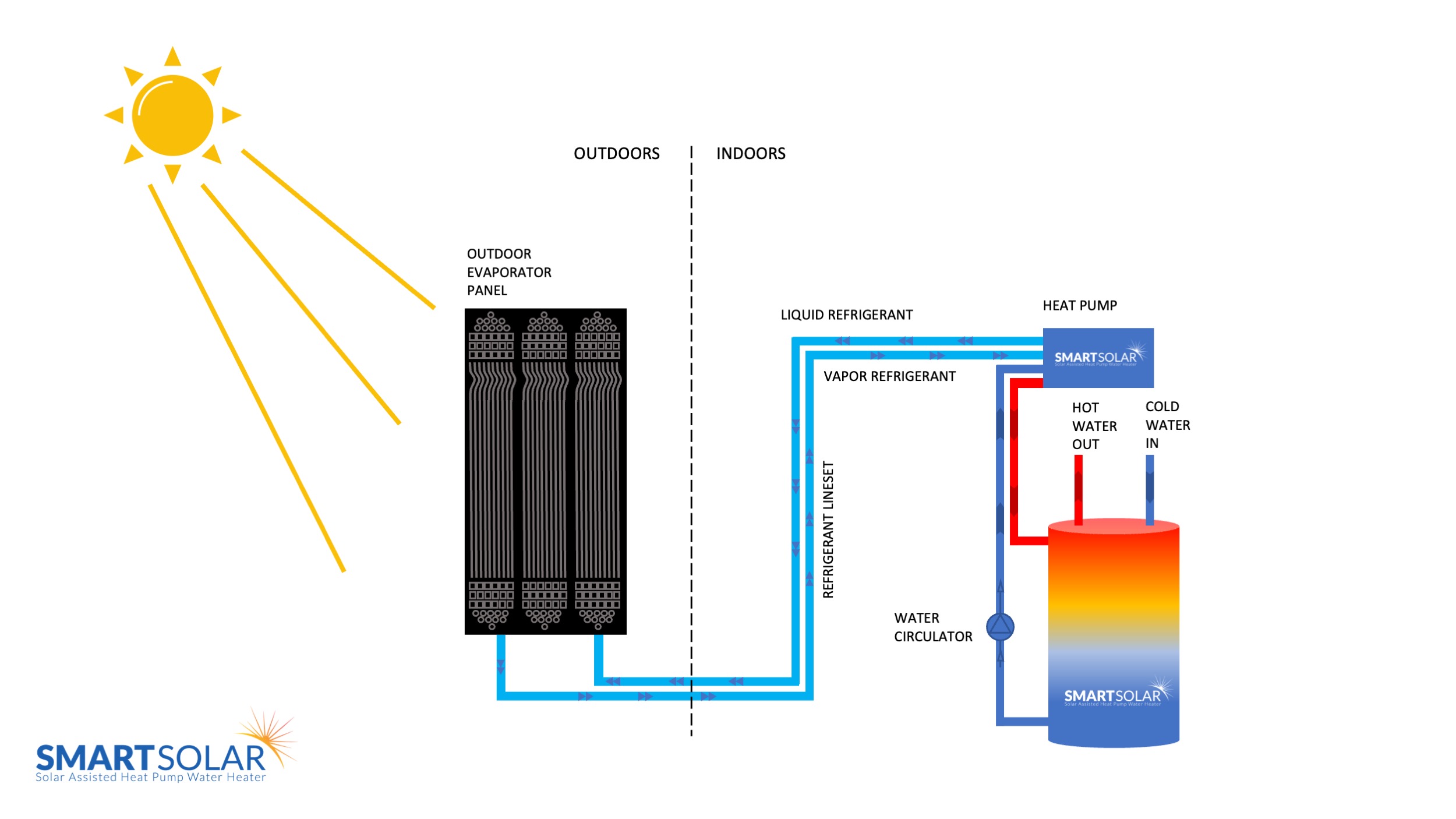
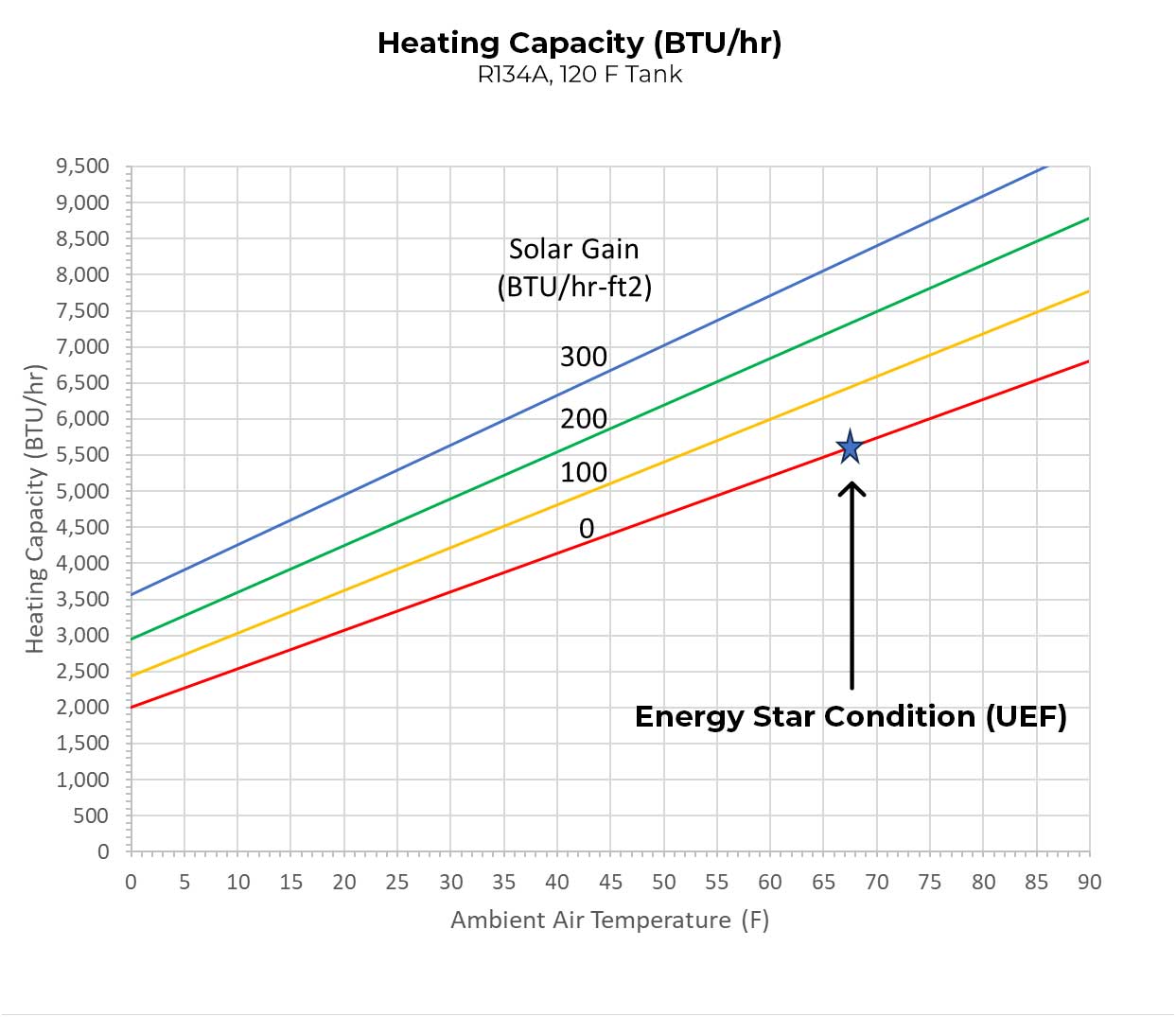
A heat pump water heater works like a “fridge in reverse”—a solar‑assisted heat pump system circulates refrigerant through an outdoor thermodynamic panel to absorb heat. This all-electric, efficient solution delivers over 50% energy savings, with no interior cooling or fans needed.

How Our Solar‑Assisted Heat Pump Water Heater Works (Year‑Round Efficiency)
NESHW’s solar-assisted heat pump water heater is an advanced, all-electric hot water system designed to provide year-round energy-efficient performance, even in cold New England climates. Unlike rooftop solar panels, this system uses a thermodynamic panel that harvests ambient heat 24/7—day or night, rain or shine.
1. Heat Captured from Ambient Air
Instead of relying on direct sunlight, the exterior thermodynamic panel functions as a heat exchanger. It absorbs thermal energy from the surrounding air in any weather condition, including freezing winter nights. The panel contains refrigerant that enters as a cold liquid, colder than the outside air temperature. Because of this temperature difference, heat transfers from the air to the refrigerant, causing it to evaporate into a gas.
2. Refrigerant Compression for Water Heating
Once evaporated, the gaseous refrigerant returns to the heat pump unit, located on top of the water tank. There, it is compressed, dramatically raising its temperature—up to 155°F. The hot refrigerant then flows through a condenser coil wrapped around the tank, transferring its heat to the potable water inside.
3. Cycle Repeats for Consistent Efficiency
As the refrigerant gives up its heat, it condenses back into a liquid and begins the cycle again. This closed-loop system uses very little electricity while delivering consistent hot water. Unlike traditional electric resistance water heaters, this solar-assisted heat pump design can reduce electricity usage by more than 50%.
VERTICALLY
INTEGRATED
We have all of the relevant disciplines in-house
SYSTEM
MONITORING
The best monitoring capabilities that exist
PROBLEM
SOLVERS
No one else matches our capabilities and familiarity
EXTENDED
WARRANTIES
Robust hardware - built to last 20 years or more
SMART SOLAR vs. CONVENTIONAL “HYBRID” HEAT PUMP WATER HEATER
Bruce Hiles from New England Solar Hot Water talks about the implications of using conventional, ‘hybrid’ water heaters in a heated home compared to the Smart Solar solution.
Find out how easy it can be to switch to solar hot water, and how the benefits of renewable energy can help you save money and the environment.
Use the form below to sign-up for a FREE consultation!